
In heavy-duty industries where smooth power transmission is essential, the right shaft connector can dramatically influence machinery lifespan and operational efficiency. Among the wide array of mechanical joint solutions available today, fluid couplings have emerged as a preferred choice for their ability to protect machinery from shock loads and ensure seamless startup operations.
Whether it’s mining, material handling, or industrial processing, understanding how these hydraulic couplings operate—and how to choose the best one for your application—can unlock major performance gains.
What Is a Fluid Coupling and How Does It Work?
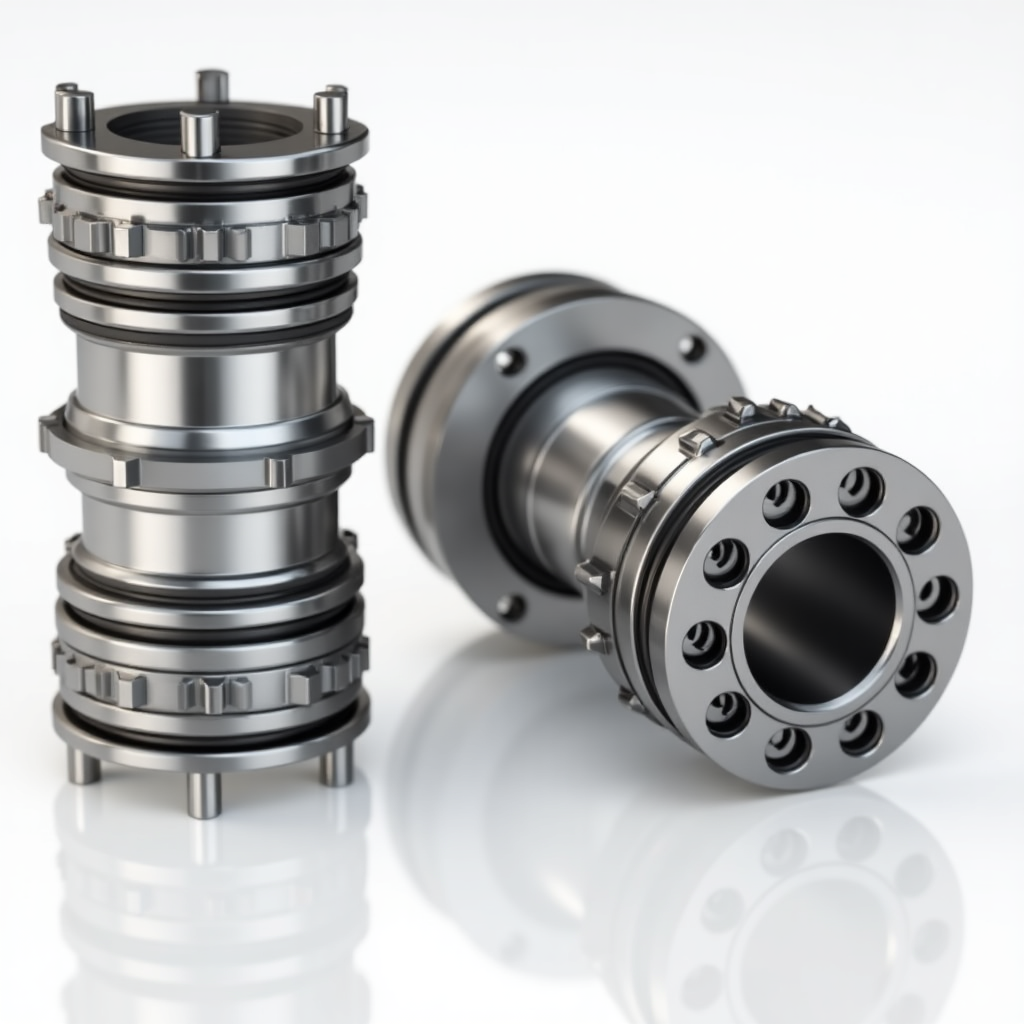
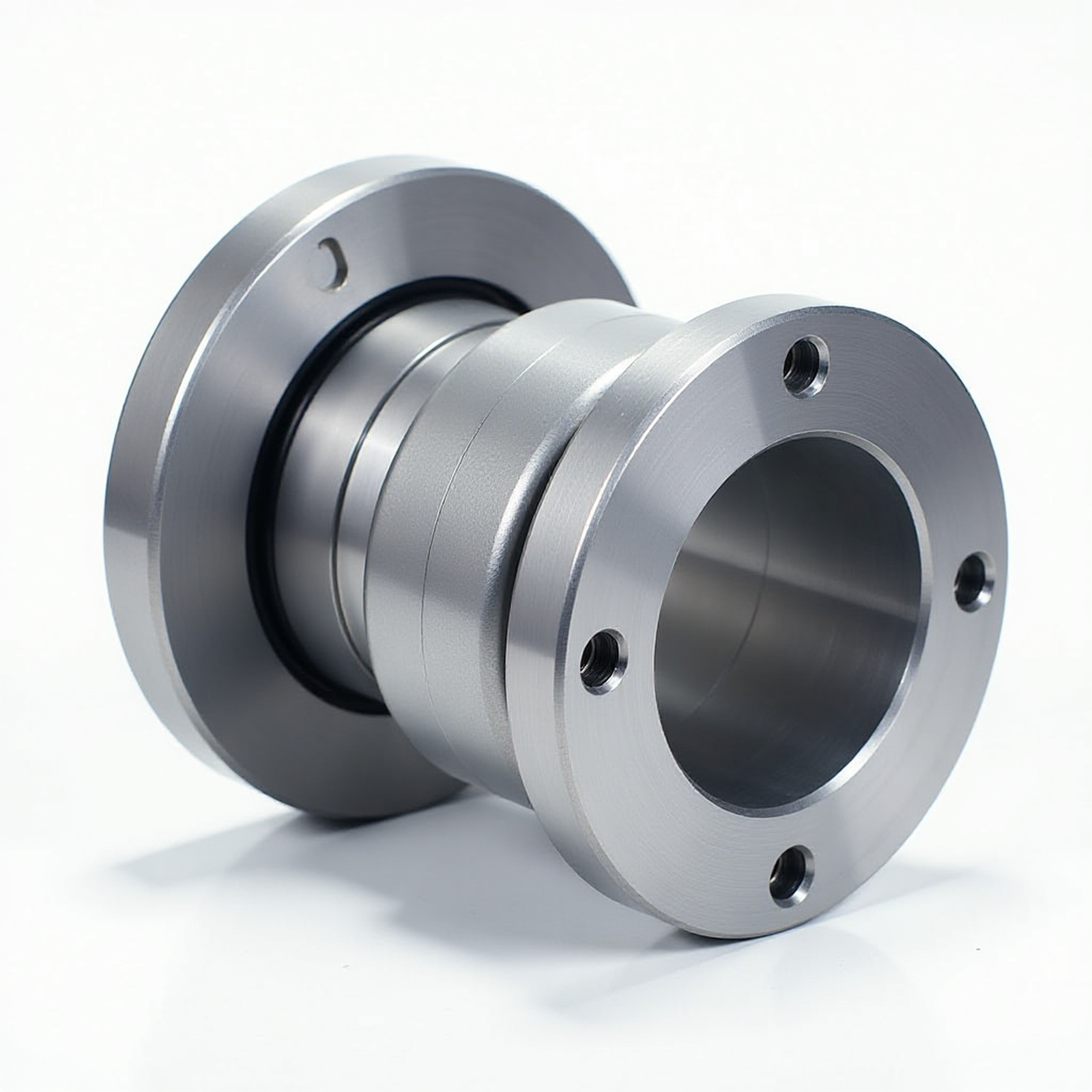
A fluid coupling, often referred to as a hydraulic torque converter or hydrodynamic coupling, is a mechanical device that transmits rotational power between shafts through the movement of a fluid—typically oil. Unlike rigid connectors, it provides a cushion between the driver and driven equipment, enabling shock absorption, torque control, and smooth engagement.
These devices contain three main components:
Pump (Impeller): Connected to the input shaft, it pushes fluid into motion.
Turbine (Runner): Connected to the output shaft, it receives the fluid motion.
Housing: Encloses the fluid and controls flow dynamics.
This non-contact method of power transfer makes fluid power couplings ideal for systems where soft start or variable load handling is critical.
Advantages of Using Hydraulic Shaft Connectors
Soft Start Capabilities
These couplings enable gradual acceleration of the driven machinery, avoiding mechanical stress and increasing the service life of components.Overload Protection
They prevent damage by slipping under extreme loads, acting as a torque limiter and saving downstream equipment.Vibration Damping
By isolating torque pulses and irregularities, they reduce wear and noise, ensuring smooth system operation.Maintenance-Friendly
With fewer mechanical contacts and a sealed system, these couplers require less frequent service.Thermal Energy Absorption
Fluid couplers can absorb heat generated from torque transmission, making them suitable for high-load cycles.
Where Are Fluid Shaft Couplings Used?
You’ll commonly find these rotational connectors in:
Conveyor belts in mining and cement plants
Centrifugal pumps and compressors
Marine propulsion systems
Steel and paper mills
Heavy-duty cranes and hoists
In all these applications, the key requirement is to deliver torque efficiently while reducing mechanical stress and system instability.
Choosing the Right Fluid-Based Connector
Selecting the ideal coupling for your industrial setup involves careful analysis:
Power & Speed Ratings: Must align with the load and motor capacity.
Startup Torque: Choose models that support the specific torque rise during engagement.
Environmental Conditions: High-temperature or corrosive areas may require special materials.
Mounting Orientation: Horizontal vs vertical shaft positioning influences coupling performance.
Maintenance Requirements: Check for ease of oil replacement and seal integrity.
You can explore a variety of options on this fluid coupling product page, designed for maximum efficiency and long-term durability.
Key Features of Modern Fluid Torque Couplers
With advances in engineering and fluid dynamics, today’s couplings offer:
Variable Fill Control for adjustable performance
High-Temperature Seals for extreme operations
Steel or Aluminum Housing options for better durability
Low Backlash Design to improve precision control
Energy Recovery Systems to enhance efficiency
To browse premium options, visit the high-performance fluid couplings section tailored for modern industry needs.
Who Should Use These Couplings?
Industries that benefit the most from hydraulic torque transmission include:
Mining (ore conveyors, crushers)
Power Generation (turbine auxiliaries)
Oil & Gas (pumps, blowers)
Steel Mills (rolling machines)
Marine (ship drives, deck equipment)
If your machinery operates in a stop-start cycle or deals with heavy, fluctuating loads, a fluid-type coupling can significantly enhance productivity while minimizing wear.
Conclusion
Reliable torque transfer is the backbone of any industrial operation. Fluid couplings provide that perfect balance between efficiency, safety, and longevity. By allowing smooth engagement, protecting against overloads, and minimizing maintenance, these dynamic power transmission devices are a must-have for any operation focused on sustainability and uptime.
Explore our latest fluid couplings built for maximum reliability, and take a step toward smarter, safer machinery today. The right coupling choice can improve output, lower maintenance costs, and increase machine life—so don’t wait to make the switch!











Write a comment ...