
Fluid couplings are an essential part of industrial machinery, designed to transmit torque efficiently while protecting equipment from mechanical stress. If you’re searching for reliable solutions for heavy machinery, understanding how fluid couplings work and their benefits is crucial. Rathi Couplings provides high-quality fluid couplings engineered for durability, efficiency, and long-term industrial performance.
What Are Fluid Couplings and How Do They Work?
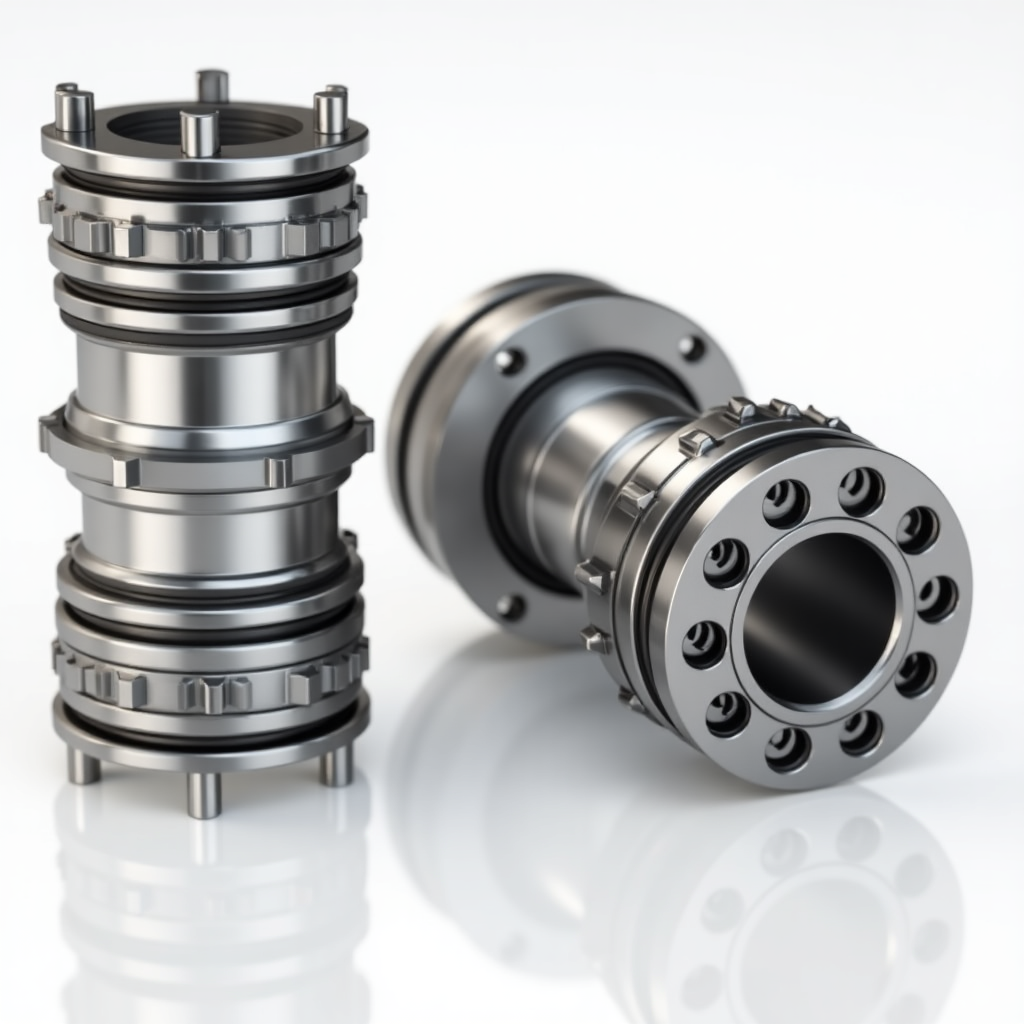
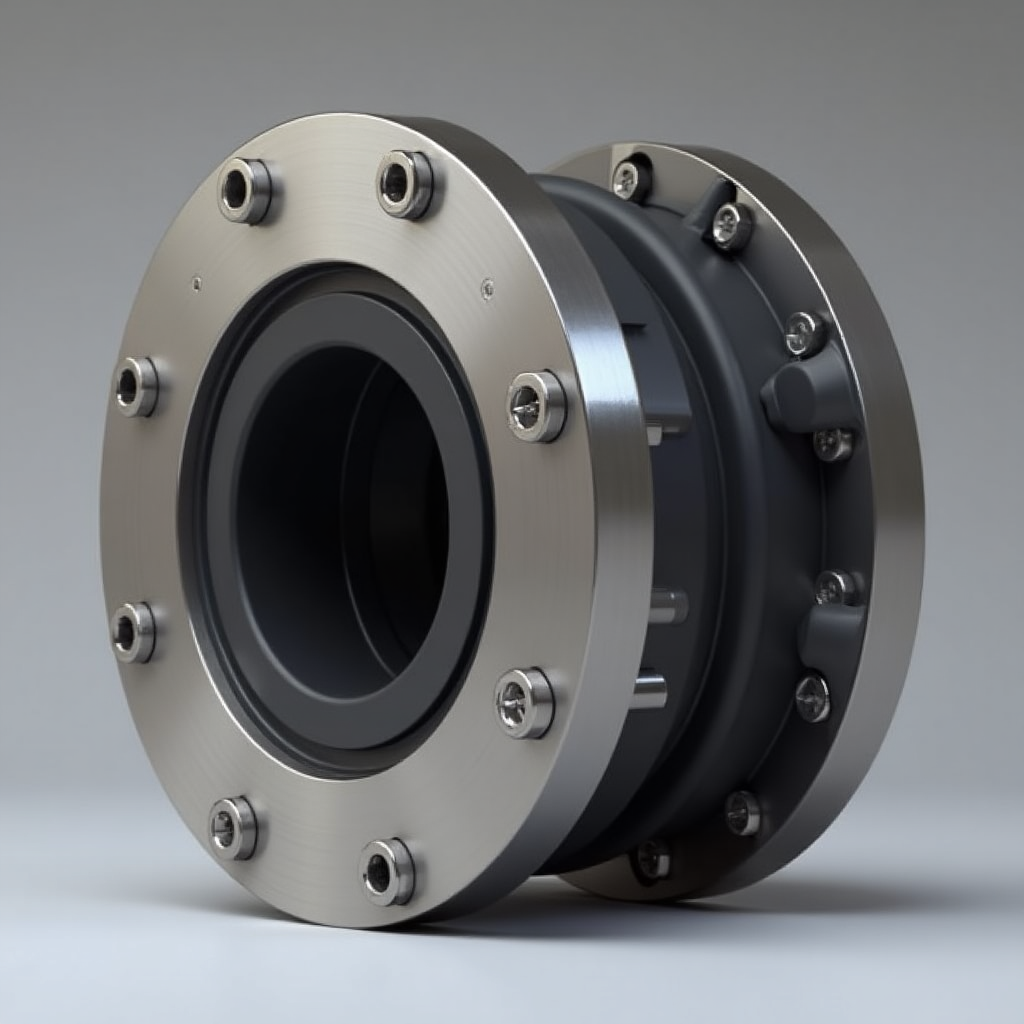
Fluid couplings are hydrodynamic devices that transmit torque between a driving shaft and a driven shaft using hydraulic fluid. Unlike rigid mechanical couplings, they use the flow of fluid to transfer energy, allowing smooth acceleration, shock absorption, and overload protection.
Inside a fluid coupling, there are three main components:
Impeller: Connected to the driving motor
Runner or Turbine: Connected to the driven shaft
Hydraulic Fluid: Transfers energy from the impeller to the runner
When the motor turns the impeller, the fluid circulates and pushes the runner, causing the driven shaft to rotate. This process ensures gradual start-up, reduces vibrations, and prevents sudden torque spikes that can damage machinery. Rathi Couplings optimizes this design to deliver consistent and efficient performance in industrial applications.
Why Are Fluid Couplings Important in Industry?
Industries with heavy machinery and frequent start-stop operations rely on fluid couplings because they:
Reduce mechanical wear and tear on motors and gearboxes
Protect machinery from shock loads
Improve operational efficiency by smoothing torque transfer
Absorb vibrations, reducing noise and stress on equipment
Extend the life of critical machinery
By using high-quality fluid couplings like those from Rathi Couplings, industrial systems maintain consistent productivity while minimizing downtime and maintenance costs.
What Are the Main Applications of Fluid Couplings?
Fluid couplings are versatile and used across multiple industries. Common applications include:
Material Handling Systems: Conveyors and bucket elevators
Mining and Cement Industry: Crushers, grinders, and mills
Industrial Pumps and Fans: For smooth operation under varying loads
Processing Equipment: Mixers, agitators, and industrial machinery
HVAC Systems and Compressors: Reducing mechanical stress and noise
Rathi Couplings specializes in custom fluid couplings designed to meet specific operational requirements, ensuring machinery operates efficiently under heavy-duty conditions.
What Are the Benefits of Using Rathi Couplings’ Fluid Couplings?
Choosing the right fluid coupling is vital for industrial efficiency. The benefits include:
Smooth Start-Up – Reduces torque shocks, preventing equipment damage.
Overload Protection – Allows controlled slip during extreme loads.
Reduced Maintenance – Hydraulic torque transfer reduces wear on mechanical components.
Vibration Dampening – Fluid absorbs vibration and noise for safer operation.
Energy Efficiency – Optimized designs minimize energy loss and heat generation.
By integrating Rathi Couplings’ advanced designs, industries achieve reliable performance, reduced downtime, and long-term operational savings.
How Do You Select the Right Fluid Coupling?
Selecting the right fluid coupling depends on several factors:
Torque Requirements: Ensure compatibility with starting, running, and peak torque needs.
Speed Compatibility: Coupling should match motor and equipment speeds.
Load Conditions: Variable and peak loads affect design choices.
Environmental Factors: Dust, moisture, and temperature conditions impact material selection.
Maintenance Needs: Choose a design that aligns with your operational maintenance schedule.
Rathi Couplings provides expert guidance and customized solutions to match specific operational needs, ensuring optimal performance and safety.
What Maintenance Is Required for Fluid Couplings?
Proper maintenance is key to fluid coupling efficiency and longevity. Maintenance tips include:
Regularly inspect hydraulic fluid levels and replace when necessary
Check seals, bolts, and housing for leaks or wear
Ensure shaft alignment to prevent unnecessary stress
Keep the surrounding area clean to avoid contamination
Monitor for unusual vibration or noise during operation
Routine inspection and timely maintenance keep Rathi Couplings’ fluid couplings operating at peak efficiency and protect connected machinery.
How Do Fluid Couplings Improve Machinery Life?
By reducing mechanical shocks, vibration, and torque stress, fluid couplings help extend the lifespan of motors, gearboxes, and connected machinery. The indirect power transfer through fluid reduces direct contact, minimizing wear and tear, and ensuring safer operation over time. Industries that adopt Rathi Couplings’ fluid couplings notice reduced downtime, lower maintenance costs, and increased reliability.
Frequently Asked Questions About Fluid Couplings
1. What is a fluid coupling used for?
It transmits torque smoothly between shafts while absorbing shocks, reducing vibration, and protecting equipment.
2. Can fluid couplings handle heavy industrial loads?
Yes, fluid couplings are designed for high-capacity, heavy-duty industrial applications.
3. How often should fluid couplings be maintained?
Maintenance should include fluid checks, seal inspections, and alignment monitoring at regular intervals.
4. Do fluid couplings improve energy efficiency?
Yes, by reducing mechanical wear and controlling torque, fluid couplings minimize energy loss and improve operational efficiency.
5. Why choose Rathi Couplings?
Rathi Couplings provides precision-engineered, durable, and customizable fluid couplings suitable for demanding industrial environments.











Write a comment ...