
In industrial systems, smooth power transmission is crucial for consistent operation and reduced downtime. Couplings are mechanical devices designed to connect two shafts, transmitting torque while accommodating minor misalignments. They help machinery operate efficiently, prevent unexpected failures, and reduce maintenance costs.
Beyond simply linking shafts, couplings absorb vibration, reduce mechanical stress, and protect sensitive equipment. Industries that rely on high-performance machines understand that the right couplings can significantly enhance equipment lifespan and operational reliability. Whether in manufacturing, energy, or automation, couplings are vital components that keep machines running safely and efficiently.
Understanding Couplings
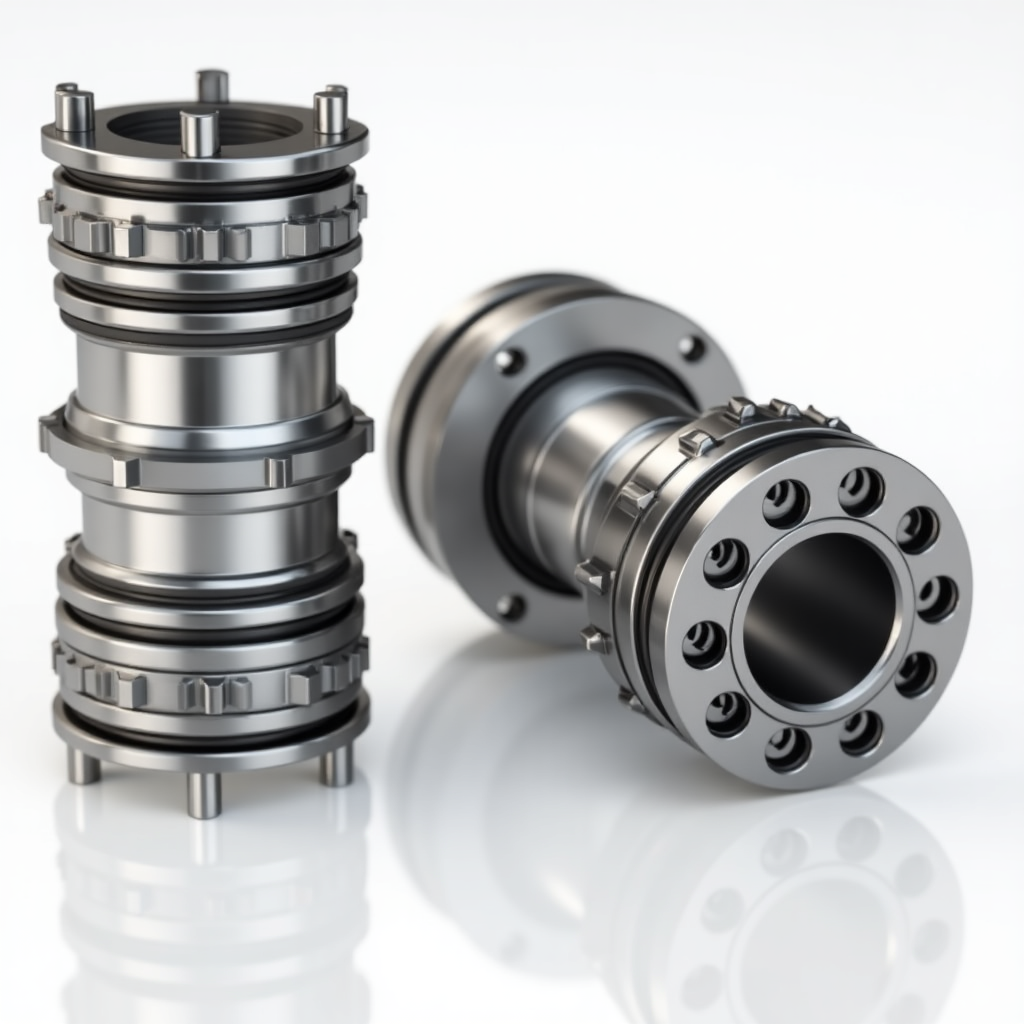
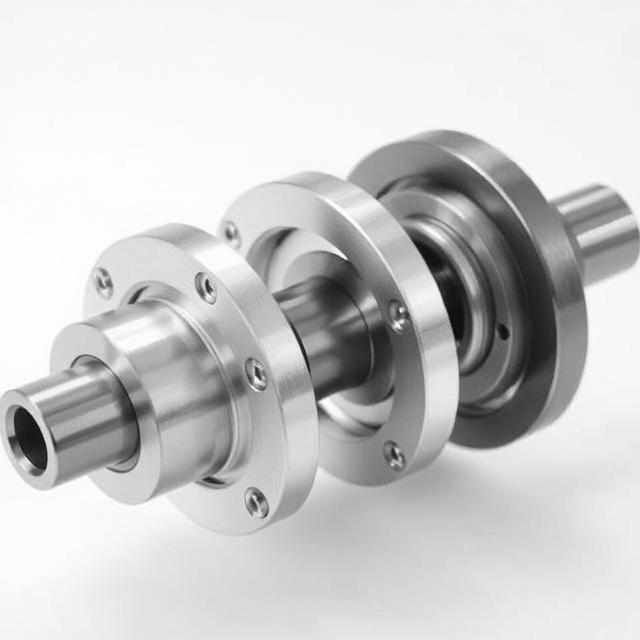
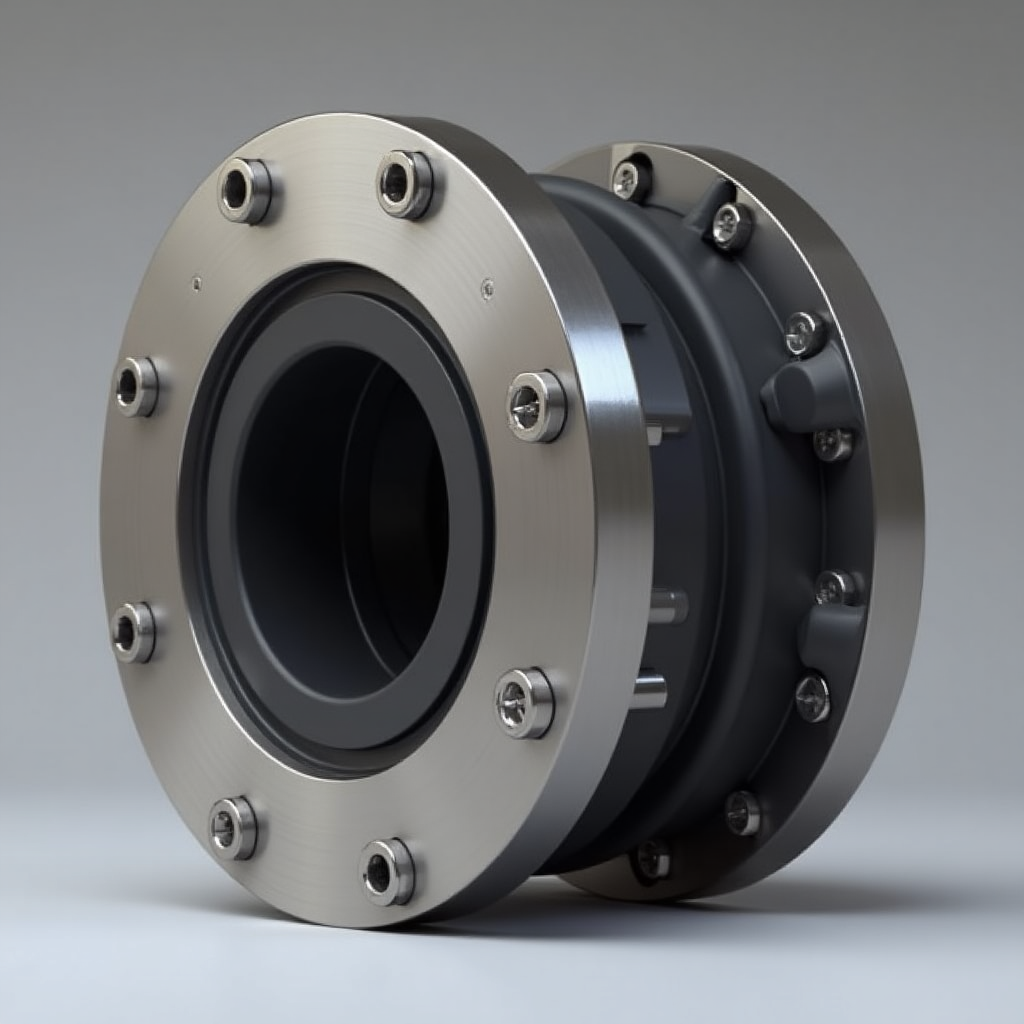
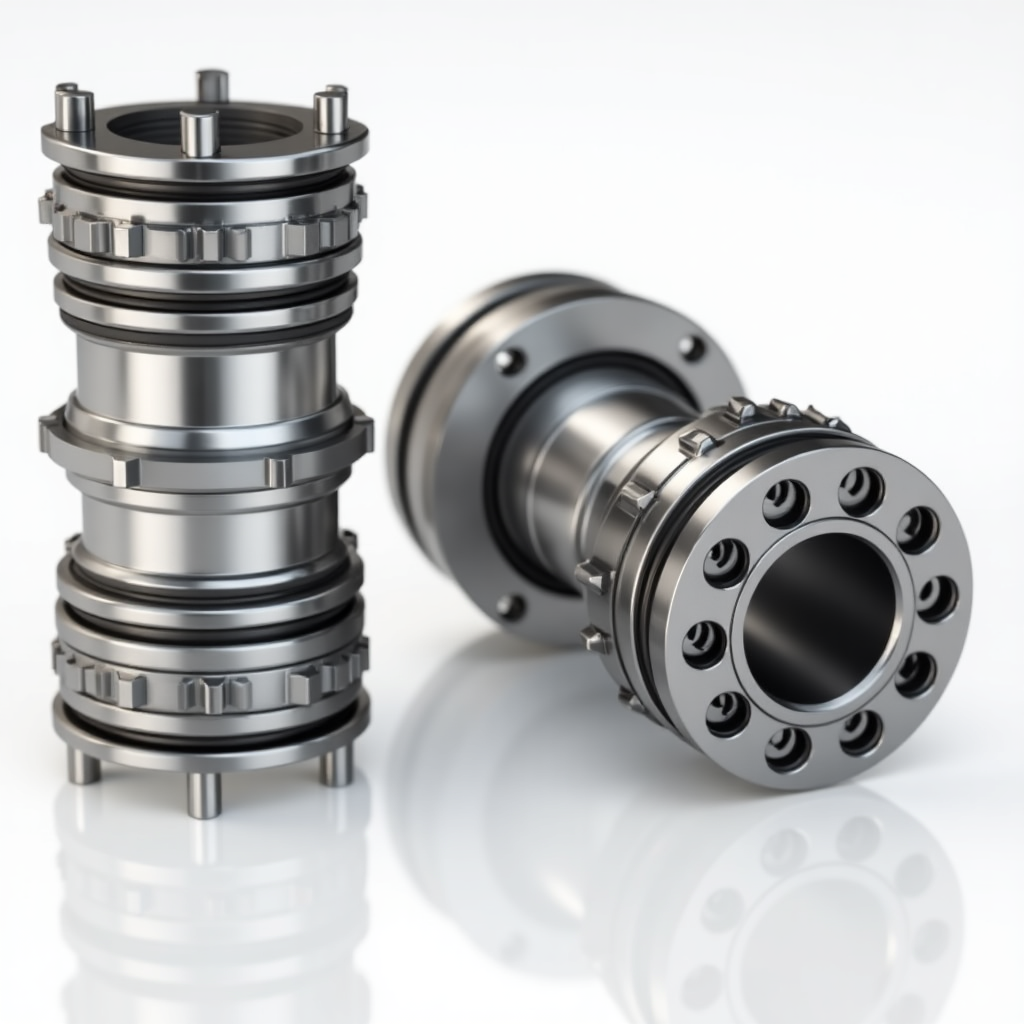
Couplings are engineered components that ensure reliable torque transfer between rotating shafts. They allow for flexibility and compensate for small misalignments, which is essential in high-speed or heavy-load machinery.
Some common types include:
Flexible Couplings: Absorb vibrations and handle slight misalignment, ideal for delicate machinery.
Rigid Couplings: Provide precise alignment and strong torque transfer for machines requiring exact positioning.
Disc Couplings: Suitable for high torque and angular flexibility applications.
Gear Couplings: Handle heavy loads and compensate for minor misalignment efficiently.
The selection of a coupling depends on the type of machinery, operating conditions, and torque requirements. Correctly chosen couplings ensure smooth operation, reduce wear, and extend the life of connected equipment.
Benefits of Couplings
Using high-quality couplings offers numerous advantages:
Efficient Power Transfer: Couplings ensure consistent torque without jerks or interruptions.
Vibration Absorption: Protects connected components from wear and early failure.
Compensation for Misalignment: Reduces mechanical stress and prevents costly breakdowns.
Durability and Longevity: High-quality couplings reduce maintenance needs and extend machinery life.
Versatility: Used in pumps, compressors, conveyors, turbines, and automated systems.
Operational Safety: Minimizes the risk of sudden mechanical failures, enhancing workplace safety.
By improving efficiency and protecting machinery, couplings are essential for smooth industrial operations and reliable performance.
Industrial Applications
Couplings are widely used across different industries due to their versatility and protective benefits:
Pumps and Compressors: Ensure smooth flow and torque transmission in fluid systems.
Conveyor Systems: Enable continuous and reliable material handling in manufacturing plants.
Turbines and Generators: Handle high-speed torque transfer in power generation systems.
Automation and Robotics: Provide precise motion control for automated machinery.
Fans and Blowers: Maintain stable operation in ventilation and HVAC systems.
In all applications, couplings improve reliability, reduce maintenance costs, and enhance overall operational efficiency.
Selecting the Right Coupling
Choosing the proper coupling is critical for long-term performance. Consider the following factors:
Shaft type and alignment requirements
Torque and load capacity
Environmental conditions such as temperature, dust, or moisture
Maintenance frequency and ease
Application-specific needs
Correctly selected couplings reduce wear, prevent breakdowns, and optimize machinery performance over time.
Conclusion
High-quality couplings are essential for reliable, efficient, and safe industrial operations. They reduce mechanical stress, protect connected machinery, and enhance the lifespan of equipment.
Invest in the right coupling solutions today to ensure maximum efficiency, reduced downtime, and long-lasting performance for your machinery.











Write a comment ...