
Whether it's a steel mill, power plant, or manufacturing unit, modern industrial systems rely on precision, durability, and performance. At the heart of these systems lie couplings—mechanical devices that transmit torque between rotating shafts. Among the many types of couplings available today, tyre couplings stand out for their flexibility, vibration dampening, and ability to handle misalignment.
But here's the twist: Not all tyre couplings are created equal. Your machinery is only as reliable as the tyre coupling manufacturer you choose.
What Are Couplings, and Why Are They Crucial?
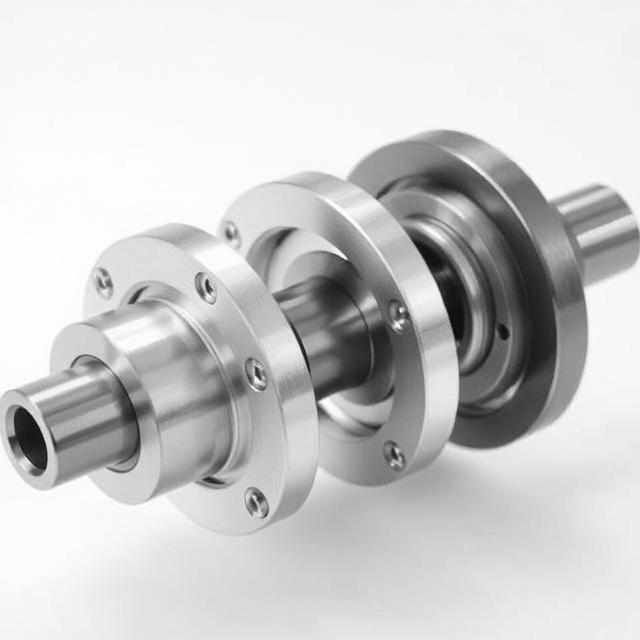
Couplings are designed to connect two shafts together at their ends for the purpose of transmitting power. But more than just joining rotating parts, a good coupling protects equipment by:
Accommodating misalignment
Dampening shock and vibration
Compensating for axial movement
Allowing smooth torque transfer under load
A high-quality coupling ensures reduced wear and tear on machinery, minimizes downtime, and extends the lifespan of expensive assets.
Tyre Couplings: Built for Flexibility and Performance
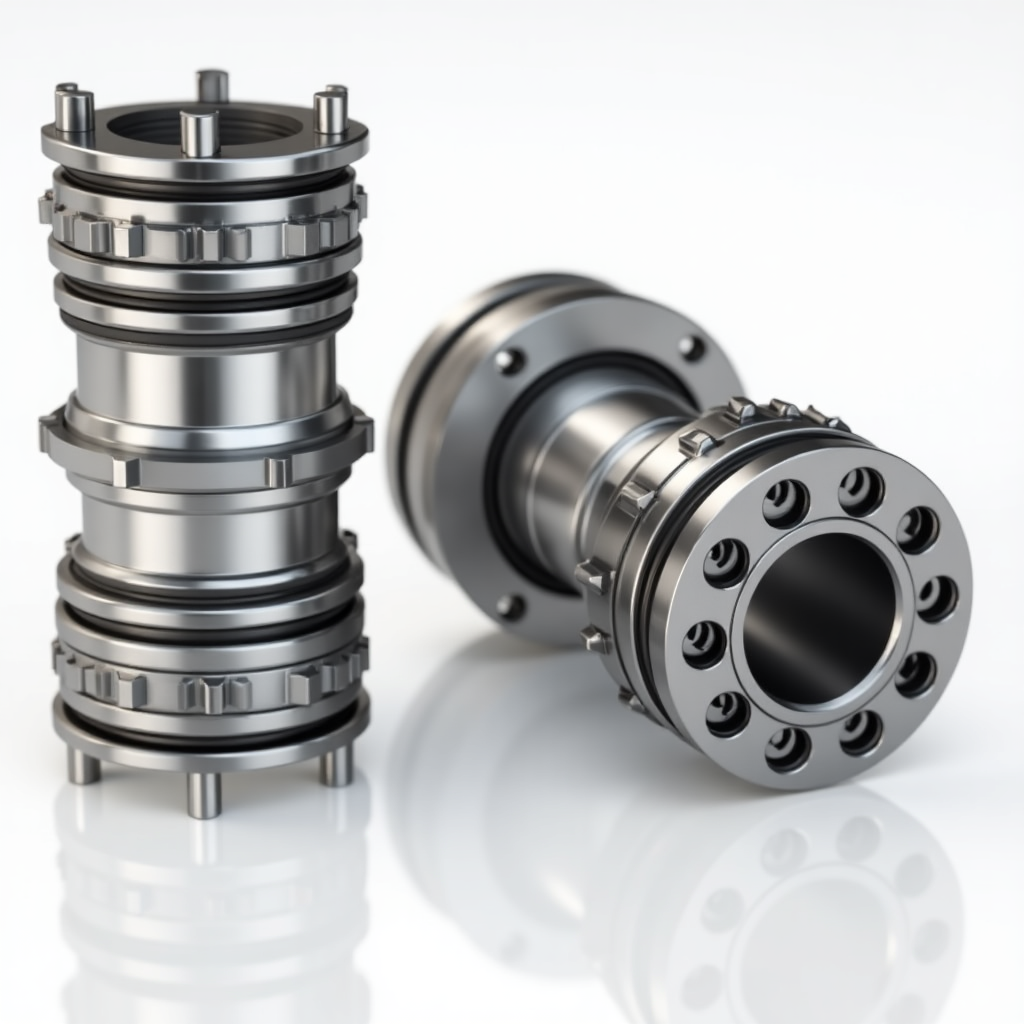
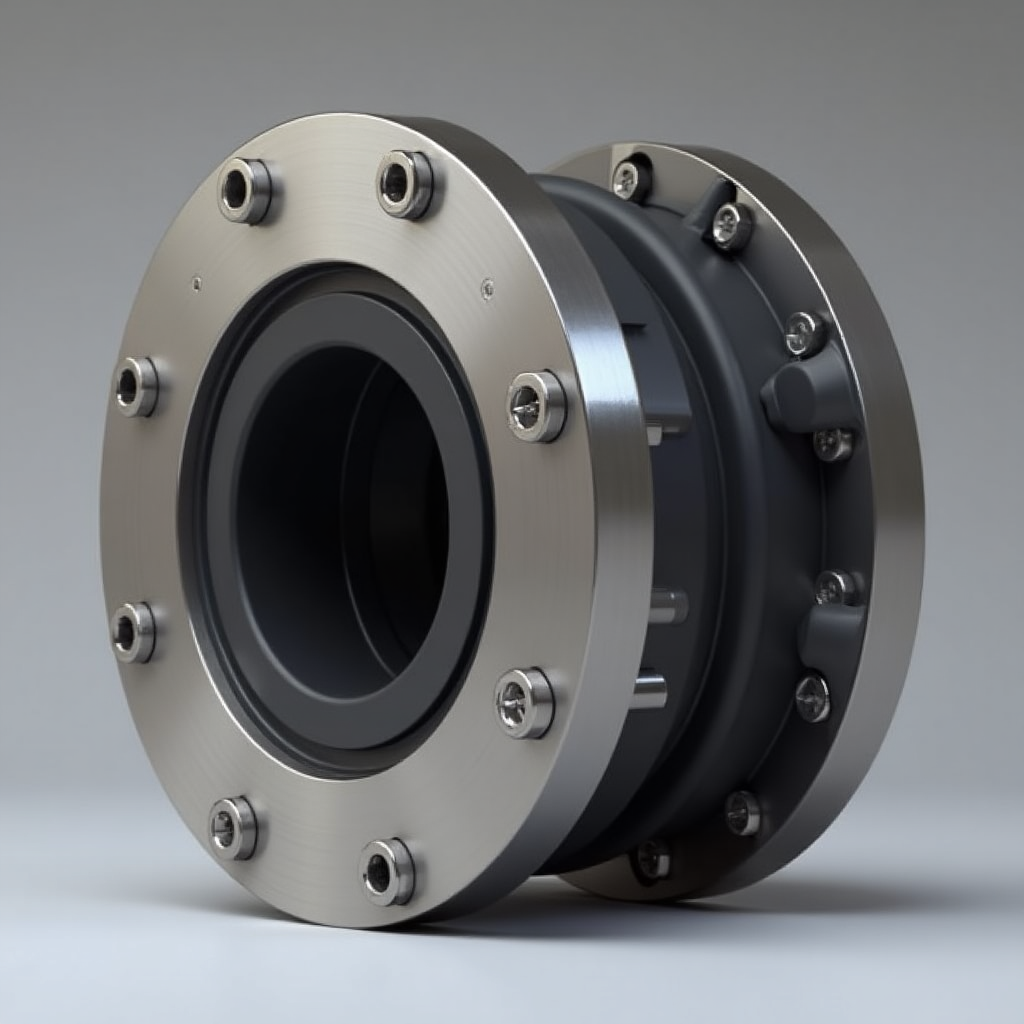
Among the various types of couplings, tyre couplings are especially known for their high torsional flexibility. They consist of a rubber tyre element fixed between two flanges. The elasticity of the tyre absorbs vibration, cushions torque spikes, and adjusts for angular, parallel, and axial misalignments—making them ideal for many demanding applications.
Key Benefits of Tyre Couplings:
Non-lubricated design reduces maintenance
Shock absorption for smooth machine operation
Resistant to misalignment without loss of efficiency
Torsional flexibility prevents stress transfer to equipment
Quick installation and replacement of tyre elements
Whether it's compressors, pumps, gearboxes, or conveyors—tyre couplings are a trusted companion for industrial reliability.
Why the Right Tyre Coupling Manufacturer Makes All the Difference
With so many coupling products in the market, it's tempting to assume they’re all the same. However, your tyre coupling manufacturer is a key partner in your plant’s long-term efficiency. Here’s what separates the best from the rest:
1. Material Quality
Top manufacturers use premium-grade rubber compounds for the tyre element, ensuring durability, heat resistance, and elasticity even in high-load or high-speed applications.
2. Engineering Precision
The design must offer optimal balance, low backlash, and minimal maintenance requirements. A reliable manufacturer employs high-end technology to ensure exact dimensional tolerance.
3. Customization Capabilities
Every plant or machine has different requirements. The best manufacturers provide customized couplings tailored to your shaft sizes, torque needs, and environmental factors.
4. After-Sales Support
It’s not just about delivering the product. Efficient technical support, documentation, training, and spares availability go a long way in building trust.
5. Compliance & Testing
Global industries need assurance. That’s why top coupling manufacturers conduct rigorous stress testing and adhere to ISO, DIN, or other international standards.
Applications of Tyre Couplings Across Industries
Thanks to their flexibility and high-performance capabilities, tyre couplings are widely used in:
Cement Plants: Handling misalignment in heavy-duty crushers and rotary kilns
Steel Mills: Absorbing shock loads in rolling mills and drive systems
Power Plants: Smooth transmission in turbines, fans, and pumps
Mining & Quarries: Reliable operation in rough and dusty environments
Water Treatment Plants: Reduced vibration in motors and compressors
Packaging & Processing Units: Fast replacement and low maintenance couplings
A good tyre coupling is like a silent partner—it works behind the scenes, ensuring uninterrupted productivity and machine health.
Couplings Evolved: Trends in 2025 and Beyond
With the rise of Industry 4.0, even humble mechanical components like couplings are undergoing innovation. Here’s what’s new:
Smart couplings equipped with sensors to monitor temperature, torque, and wear
Eco-friendly rubber compounds with longer service life
Compact designs for space-constrained installations
Corrosion-resistant coatings for marine or chemical environments
Lightweight alloys for high-speed, energy-efficient operations
As industries get smarter, the coupling must keep up—and only a forward-thinking manufacturer can deliver on that promise.
Tips for Selecting the Right Coupling for Your Application
Before you make your purchase, ask yourself the following:
What is the operating torque and speed of the application?
Will the shafts face misalignment or shock loading?
Is the environment corrosive, dusty, or high-temperature?
Do you need quick installation or low maintenance?
Is vibration reduction critical for your setup?
Once you have these answers, consult a reputed tyre coupling manufacturer who can guide you with product recommendations tailored to your needs.
Maintenance Tips to Extend Coupling Life
To ensure the best performance from your couplings, follow these practices:
Regularly inspect the tyre element for cracks or wear
Ensure flange bolts are tightened as per manufacturer specs
Keep an eye on signs of misalignment
Replace worn-out tyre elements before failure
Store spare couplings in clean, dry areas
These small steps can save thousands in repair costs and unplanned downtime.
Final Words: Quality Couplings = Quality Operations
Industrial equipment is a big investment—and even the smallest component like a coupling plays a major role in maximizing that investment. Don’t cut corners with generic products. Instead, partner with a manufacturer who understands engineering, reliability, and customer support.
To understand why expert craftsmanship and proven performance matter, check out this insightful article on why Rathi Group are the best tyre coupling manufacturers. It’s a detailed look into what sets leading manufacturers apart and how they can support your industry’s growth.











Write a comment ...